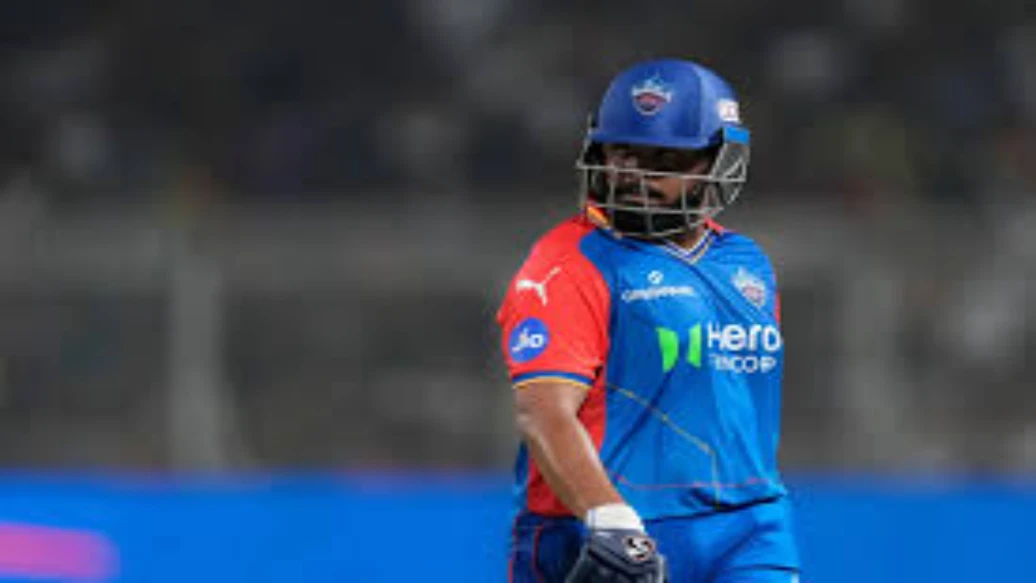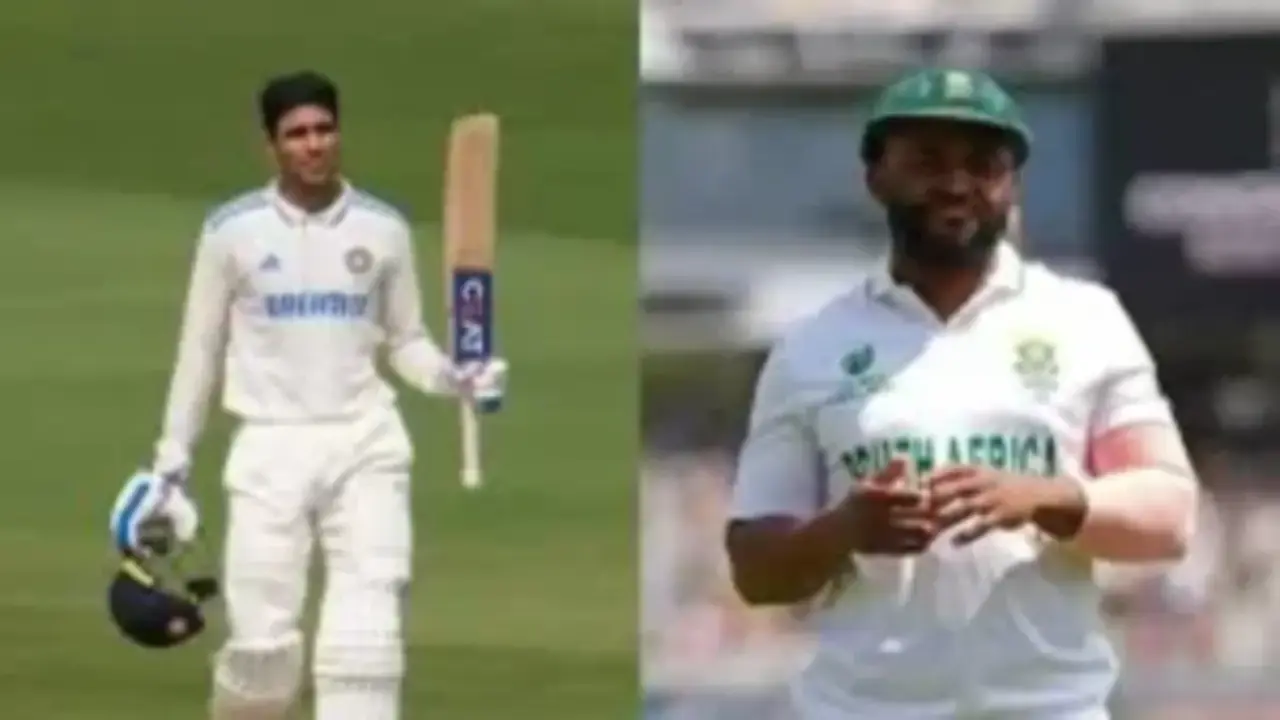
Shubman Gill Neck Spasm became a major concern during the second day’s play of the Kolkata Test after the Indian captain unexpectedly retired hurt in the morning session. The Board of Control for Cricket in India (BCCI) confirmed that Gill suffered a sudden neck spasm, and the medical team is currently monitoring his condition. The incident not only raised alarm among fans but also impacted India’s batting plans at a crucial moment in the match. With Gill being one of the most important players in the Indian lineup, the development added an unexpected twist to the Test.
Gill walked in to bat after the drinks break when Washington Sundar was dismissed by Simon Harmer. India were looking for stability, and as captain, Gill carried the added responsibility of guiding the innings. However, what occurred within the next few deliveries was something no one saw coming.
Shubman Gill Neck Spasm How the Injury Happened on the Field
Shubman Gill Neck Spasm When Harmer continued bowling from around the stumps, Gill defended the first ball calmly. On the next delivery, he attempted a slog sweep—one of his signature strokes. The shot connected beautifully and raced to the boundary for four runs. But immediately after playing the stroke, Gill winced in sudden discomfort. Cameras captured him clutching the back of his neck and struggling to move his head freely.
It was clear that something was wrong. The Indian team physio rushed onto the field to examine him. Despite a brief assessment and some attempted stretching, Gill continued experiencing stiffness and pain in his neck. The inability to rotate his head smoothly forced him to take the tough decision—he retired hurt and walked back to the dressing room. This was surprising given his importance in the batting order and raised instant speculation about the severity of the injury.
Shubman Gill Neck Spasm BCCI’s Official Confirmation
Shubman Gill Neck Spasm Later in the afternoon, the BCCI released a statement confirming that Shubman Gill had retired hurt due to a neck spasm, and that his condition was being evaluated by the medical staff. The board added that his participation for the remainder of the day would depend on his recovery rate.
Shubman Gill Neck Spasm can occur due to sudden movements, awkward body positions, or muscular strain—all common during aggressive cricket actions like sweeping or pulling. While not typically considered a long-term injury, they can significantly affect a batter’s movement, balance, and timing.
Impact on India’s Innings
After Gill left the field, Rishabh Pant replaced him. Pant’s arrival brought some positivity, but the shock of losing the captain early affected India’s momentum. With India entering a delicate phase of the innings, Gill’s absence was felt deeply. His ability to anchor the innings and guide younger players is one of his biggest strengths.
What heightened concern was the fact that Gill did not return even when India found themselves seven wickets down early in the second session. Usually, a batter with a minor concern might choose to return if the team is in trouble, but Gill staying off the field indicated that the issue was more serious than initially assumed.
This meant India had to continue without their captain’s composure, experience, and leadership on the field—both as a batter and as a tactical decision-maker.
Why Shubman Gill’s Availability Matters So Much
Over the past year, Gill has grown into one of India’s most dependable players. His consistency, adaptability, and leadership skills have made him an essential part of the Test squad. As a captain, he brings calmness and strategic clarity to the game. As a batter, he has produced match-winning innings across formats.

A neck spasm might seem minor in everyday life, but for a top-order batter, neck mobility is crucial. Tracking the ball, adjusting to swing or spin, and maintaining head stability all depend heavily on smooth neck movement. Even a slight restriction can affect performance.
Gill’s injury comes at a time when India has already dealt with several fitness concerns among key players. Losing him—even temporarily—puts additional pressure on the middle order and may influence selection plans for upcoming matches.
Shubman Gill Neck Spasm Expected Recovery and Next Steps
The immediate priority for the Indian team is ensuring Gill gets proper rest and physiotherapy. Neck spasms generally respond well to treatment if addressed early. Ice packs, stretching, muscle relaxants, and physiotherapy are standard protocols.
The BCCI medical team will evaluate whether Gill should bat again in this Test or sit out to prevent worsening the condition. Given his importance, the team management may choose to be cautious.
Fans can expect another update from the BCCI depending on whether Gill regains mobility and attempts to resume batting. For now, the medical staff is focused on reducing the pain and restoring movement.
Broader Impact on the Series
If Gill recovers quickly, he could return later in the match or be fully available for the next Test. However, if the spasm is severe or recurring, India may need to consider temporary captaincy alternatives and possible middle-order replacements.
Given his form, leadership, and rhythm, India will hope this setback is only temporary.
Read hinpi.in