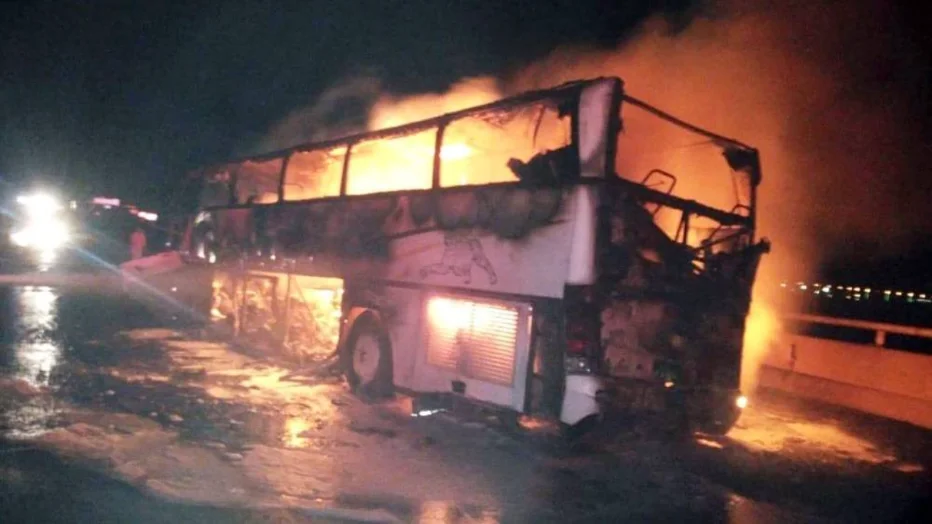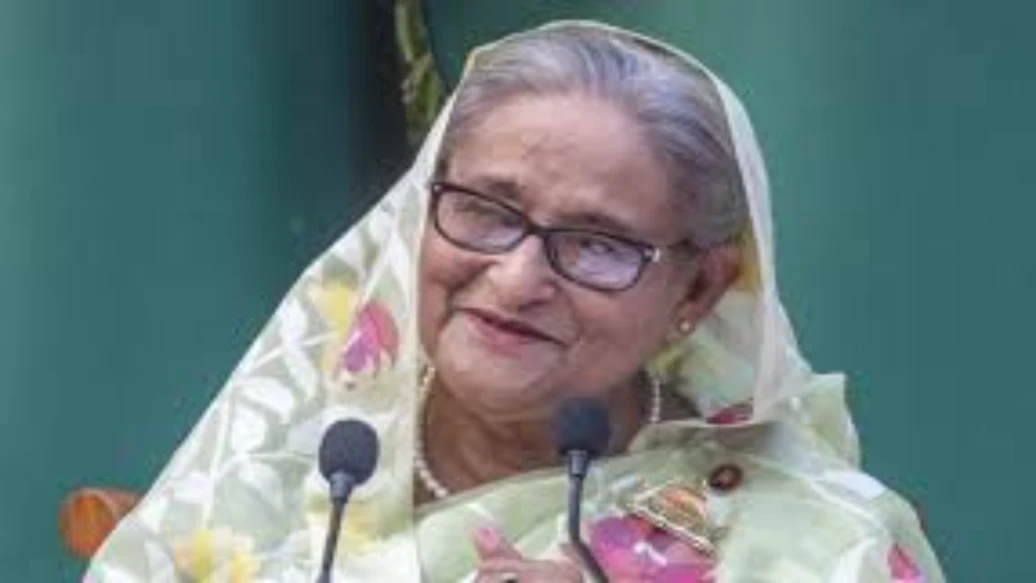
Sheikh Hasina Death Penalty — the phrase that now dominates headlines across South Asia — marks a seismic turning point in Bangladesh’s political landscape. The former Prime Minister, long regarded as one of the region’s strongest political figures, has been sentenced to death by a special tribunal on charges of crimes against humanity linked to the violent crackdown during last year’s anti-government movement. This shocking development comes after months of unrest, a collapsed government, and the most dramatic power shift in the country’s modern history.
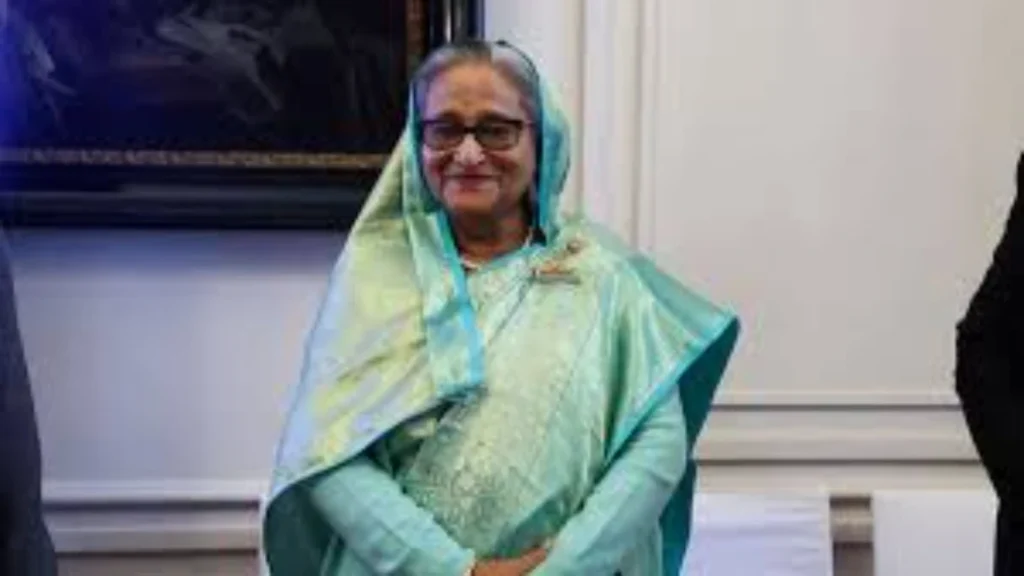
The verdict, delivered in Hasina’s absence as she remains a fugitive, has reignited both outrage and debate within Bangladesh and the international community. Alongside Hasina, ex-home minister Asaduzzaman Khan Kamal and former police chief Chowdhury Abdullah Al-Mamun were also convicted. Under ICT-BD law, Hasina cannot appeal unless she returns or is arrested within 30 days — an unlikely scenario given her current exile status.
Meanwhile, security across Bangladesh has tightened dramatically. In Dhaka, police have reportedly been authorised to shoot protestors “who show intent to kill,” signalling the possibility of more political violence ahead.
Sheikh Hasina Death Penalty The Road to the Crisis: How Unrest Escalated
The roots of Bangladesh’s year-long crisis trace back to June 2024, when the High Court reinstated the controversial civil-service quota system, including a 30% quota reserved for descendants of 1971 war veterans. Students across major campuses erupted in protests, arguing that the system undermined meritocracy and opportunities for millions of young job-seekers.
By early July, nationwide sit-ins paralyzed Dhaka. The situation escalated sharply after Sheikh Hasina labeled the protestors “Razakars,” invoking a term historically associated with traitors during the Liberation War. This remark triggered fury among students and civil society, leading to violent clashes between protestors and ruling-party student wings.
A series of crackdowns followed: curfews, internet blackouts, and heavy policing. According to a February 2025 UN rights report, nearly 1,400 people were killed on Hasina’s orders between July 15 and August 15, an episode now referred to as the “July Uprising.”
Although the Supreme Court scaled down the quotas on July 21, recommending a 93% merit-based system, the protests had already evolved into a larger movement demanding accountability, justice for victims, and ultimately Hasina’s resignation.

The tipping point came on August 4, when almost 100 people died in a single day of violent confrontations. The next morning, amid nationwide fury and pressure from student leaders, the military, and political groups, Hasina fled the country and resigned. Parliament was dissolved soon after, and Nobel laureate Muhammad Yunus was appointed head of a new interim government.
Sheikh Hasina Death Penalty A New Chapter Under Muhammad Yunus
Since August 2024, Muhammad Yunus has led Bangladesh through what many consider the most disruptive transitional phase in its history. Though his government has taken decisive steps toward reform, the country’s socio-economic landscape remains fragile.
What Hasina Left Behind
While the Awami League government boasted strong GDP growth, large infrastructure projects, and booming garment exports, deeper structural issues simmered under the surface:
- Youth unemployment remained alarming, with 83% of the unemployed aged 15–29
- Inflation soared to 11.7%
- The garment sector suffered due to curfews and disruptions
- A white paper revealed Rs 20,500 crore in illicit outflows and inflated project costs
Yunus’s Reforms
The interim government initiated reforms aimed at restoring stability:
- New technocrats appointed
- Extensive banking reforms and loan recoveries
- Inflation reduced to 9.05%
- Export numbers rebounded
Yet major problems persist. Youth unemployment remains severe, with 2.1 million jobs lost, and garment workers have seen no wage increases. Yunus’s unelected status also fuels legitimacy concerns, as street protests by civil servants, teachers, and journalists continue.
Sheikh Hasina Death Penalty Bangladesh’s Geopolitical Shift
Perhaps one of the most dramatic changes since Hasina’s fall is Bangladesh’s foreign policy realignment.
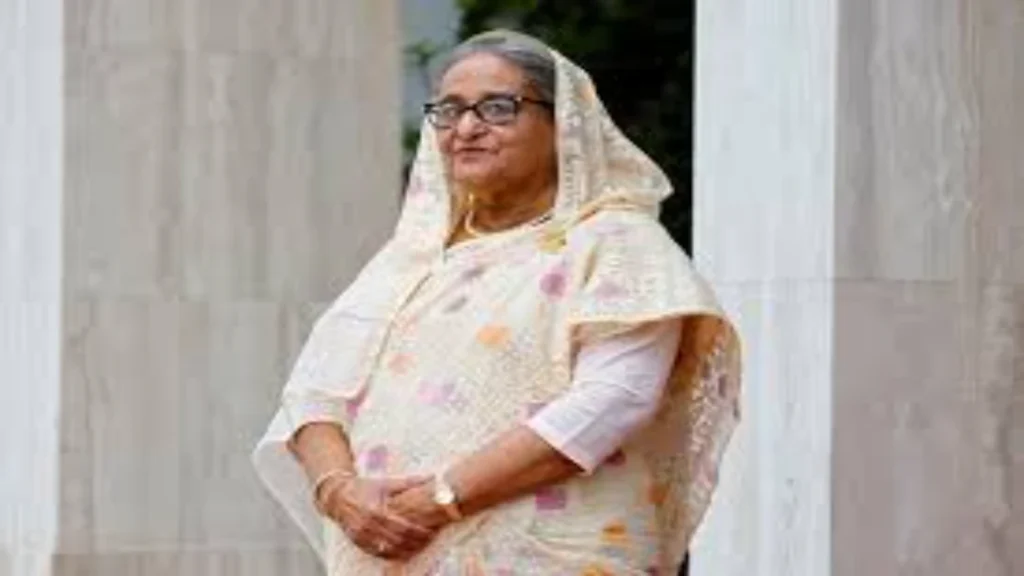
Key developments include:
- Relations reopened with Pakistan
- Deepened ties with China, including Rs 18,270 crore in loans and a major industrial zone in Chattogram
- A formal stance opposing Taiwan independence for the first time
- Strained ties with India, resulting in port restrictions, reduced imports, and visa limitations
- Ongoing tariff tensions with the United States, Bangladesh’s largest export market
This new geopolitical posture is reshaping Bangladesh’s trade patterns and diplomatic standing — but also generating friction with major partners.
Where Bangladesh Stands Today
Although macroeconomic indicators like inflation and exports have improved modestly under the interim government, Bangladesh’s challenges remain daunting:
- GDP growth projected to fall to 3.3% (World Bank)
- Up to three million people may fall into poverty in 2025
- Pro-Hasina factions are resurging
- Political violence continues
- Uncertainty surrounds the April 2026 national elections and constitutional referendum
The Sheikh Hasina death penalty verdict may further polarise the nation, deepen international scrutiny, and intensify political rivalries leading up to the election.
Conclusion
The sentencing of Sheikh Hasina is more than a legal decision — it marks a defining moment in Bangladesh’s political evolution. With the country navigating reforms, unrest, foreign-policy shifts, and economic strain, the coming months will be crucial in determining whether Bangladesh stabilises or slips into deeper turmoil.
For now, the nation stands at a crossroads, and the repercussions of the Sheikh Hasina death penalty will continue to shape its future.
Read hinpi.in