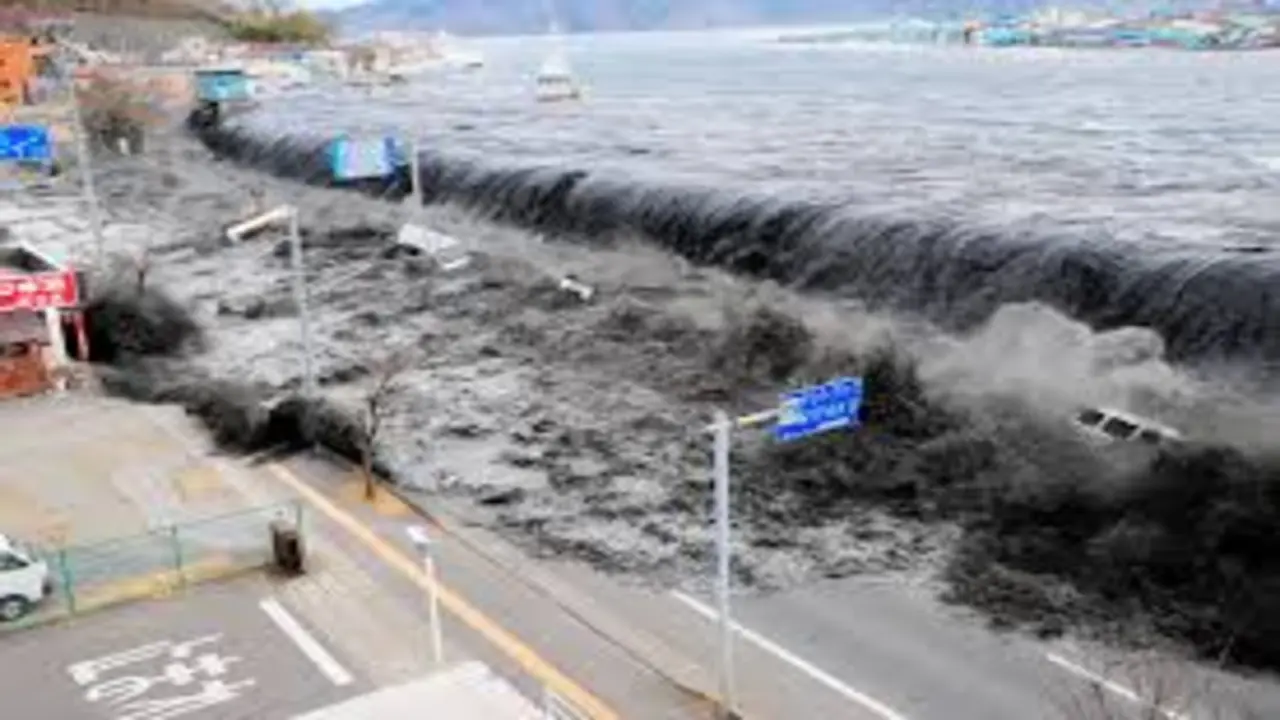
Powerful Quake Strikes Off Japan as a 6.7 magnitude earthquake shook the northern region on Sunday evening, triggering a tsunami advisory and raising fresh concerns about aftershocks and coastal safety. According to the Japan Meteorological Agency (JMA), the quake struck off the coast of Iwate Prefecture at around 5 p.m. local time, occurring at a shallow depth of 10 kilometres beneath the sea surface. While no injuries or structural damage were immediately reported, authorities urged residents to remain alert, stay away from coastal zones, and brace for potential aftershocks.
Powerful Quake Strikes Off Japan: Details of the 6.7 Magnitude Tremor
The tremor was strong enough to be felt across multiple prefectures in northern Honshu, Japan’s main island. The JMA described the quake as shallow and potentially capable of generating hazardous coastal waves. Shortly after seismic activity was detected, the agency issued a tsunami advisory warning of waves up to 1 metre along the northern coastline.
Public broadcaster NHK immediately began live coverage, advising people in affected areas to move to higher ground and avoid coastal regions. The broadcaster emphasized that even a 1-metre tsunami can be extremely dangerous, especially in narrow bays or populated harbours where water levels can rise rapidly.
Tsunami Waves Detected, Rail Services Disrupted
NHK reported that a 10-centimetre tsunami was observed at Ofunato city in Iwate Prefecture and at Ominato port farther north. While relatively small, the readings confirmed that the quake had indeed displaced seawater, validating the tsunami advisory.
JR East, the regional railway operator, temporarily halted bullet train operations in the area as a precaution. Safety inspections were conducted along major rail lines, causing delays and minor disruptions. Meanwhile, power shortages were reported across several districts, according to Kyodo News, although electricity companies later confirmed that restoration work was underway.
Powerful Quake Strikes Off Japan: Authorities Monitor Nuclear Plants
Japan remains particularly sensitive about earthquake impacts on nuclear facilities due to its history with the 2011 Fukushima disaster. In this case, early checks showed no abnormalities at the two nuclear power plants located in the region. Authorities continue to monitor them closely as seismic activity persists.
The government’s disaster response teams were placed on alert, and local municipalities activated emergency communication channels to ensure residents received timely updates.
A Region Long Vulnerable to Seismic Activity
Japan sits on the Pacific Ring of Fire, a vast area known for intense seismic and volcanic activity. This makes the country one of the most earthquake-prone regions in the world. The northern coastline, particularly around Iwate and Miyagi prefectures, has experienced destructive quakes in the past. The most devastating in recent history was the March 2011 Tohoku earthquake and tsunami, which killed nearly 20,000 people and led to the Fukushima nuclear crisis.
Given this history, even moderate quakes are treated with high caution. The JMA and local governments routinely warn residents that aftershocks can occur for days or even weeks following a major seismic event.
Aftershock Risk Remains High
Experts warn that the initial quake could be followed by several aftershocks, some of which may be powerful enough to cause additional shaking or small tsunamis. NHK has urged viewers to remain away from the coastline and avoid return trips to ports, beaches, or riverside areas until authorities remove the advisory.
Residents were told to:
- Stay updated through official sources
- Avoid ocean-facing roads and low-lying areas
- Prepare for possible evacuation
- Check emergency kits and supplies
The JMA also noted that earthquakes of similar magnitude can trigger landslides in vulnerable mountain regions, especially if ground conditions are unstable.
Powerful Quake Strikes Off Japan: No Major Damage Yet but Caution Continues
While early assessments showed no major injuries or structural damage, the situation remains fluid. Emergency services continue to patrol coastal districts, checking for flooded zones and supporting residents who may require assistance.
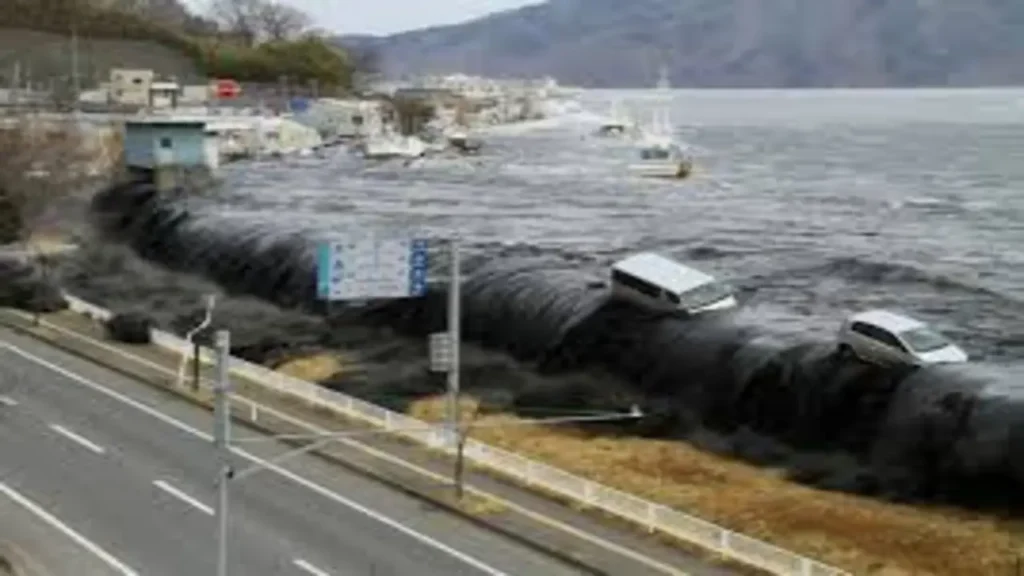
Local authorities stated that it is possible for tsunami warnings to remain in effect long after the initial quake, depending on how ocean readings evolve. In some cases, small waves can precede larger ones, making early return to coastal areas dangerous.
Japan’s Earthquake Preparedness Remains Among the Best in the World
Despite frequent seismic activity, Japan has some of the world’s most advanced earthquake detection and tsunami-warning systems. Alerts are quickly broadcast through television, radio, smartphones, and public speakers in affected towns. Residents are accustomed to rapid evacuation drills and disaster-readiness programs, which significantly reduce casualties during such events.
The swift actions taken on Sunday demonstrate the country’s commitment to minimizing risk and maintaining public safety.
Conclusion
As the Powerful Quake Strikes Off Japan, the incident serves as a reminder of the region’s vulnerability to natural disasters. With tsunami advisories still in effect and aftershocks possible, authorities continue urging residents to stay vigilant. For now, Japan’s robust emergency systems and public awareness appear to have prevented casualties, but officials remain on high alert.